



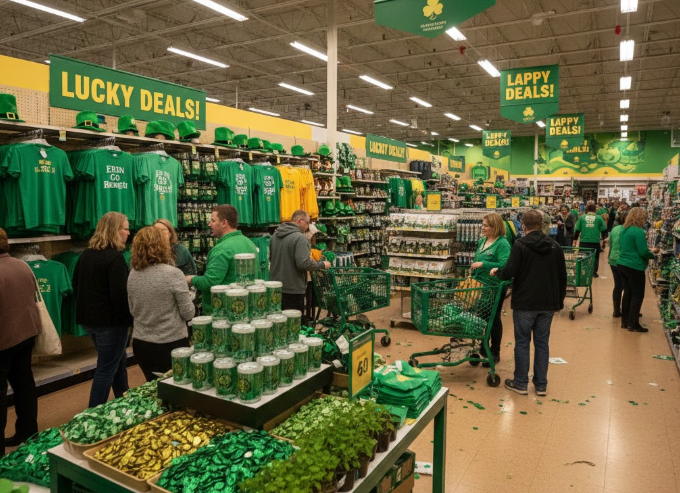
St. Patrick’s Day represents one of the most commercially significant celebrations during the first quarter of the year. For retailers, bars, breweries, event organizers, and promotional product distributors, it creates a concentrated opportunity to generate strong seasonal sales within a specific period. However, capitalizing on this opportunity requires careful seasonal merchandise planning supported by structured seasonal inventory management strategies. Without accurate planning, businesses face excess inventory, missed sales opportunities, strained supply chain operations, and reduced profit margins.
Seasonal inventory refers to stock that is purchased, produced, and managed to meet anticipated demand fluctuations during peak seasons. St. Patrick’s Day merchandise falls squarely into this category. Demand surges rapidly, driven by consumer behavior tied to celebration, gifting, and public events. Once the holiday season concludes, demand declines sharply, leaving little margin for error in managing inventory.
This guide explores how to forecast seasonal demand, manage seasonal stock efficiently, and design effective St. Patrick’s Day merchandise across categories such as coffee mugs, tumblers, parade towels, beer glasses, napkins, coasters, wristbands, tote bags, keyrings, and can koozies. It also examines challenges in seasonal inventory management, technologies that support successful inventory management, and practical methods for maintaining profitability throughout the year.
Understanding Seasonal Inventory Management for St. Patrick’s Day

Seasonal inventory management is the practice of aligning inventory levels with predictable seasonal variations in customer demand. For St. Patrick’s Day, this means preparing for high demand during late February and early March, managing peak season demand in mid March, and minimizing excess stock immediately after the event.
Managing seasonal inventory requires businesses to analyze historical sales data and identify trends. Historical data provides insight into seasonal patterns, consumer preferences, and demand fluctuations from previous years. By studying past sales data, companies can forecast seasonal demand more accurately and adjust production schedules accordingly.
Seasonal demand forecasting is essential to improve seasonal inventory management. Accurate demand forecasting allows businesses to meet demand without overstocking. When forecasting demand, companies must consider external factors such as economic indicators, local parade participation, tourism activity, and marketing campaigns that influence consumer behavior.
Challenges in seasonal inventory management include unexpected demand spikes, supply chain issues, limited storage space, and unexpected demand fluctuations. If inventory management processes are weak, companies risk either excess inventory or stock shortages. Both scenarios negatively impact customer satisfaction and cash flow.
Successful inventory management involves setting clear key performance indicators, tracking inventory turnover, monitoring average inventory levels, and optimizing inventory levels before, during, and after peak seasons. Inventory management software and forecasting tools help businesses track stock levels, analyze seasonal factors, and respond quickly to changes in product demand.
Types of Seasonal Demand and Their Impact
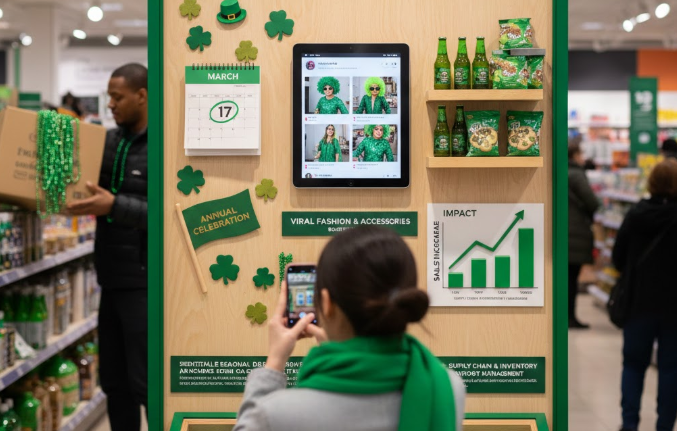
There are different types of seasonal demand that influence St. Patrick’s Day seasonal products. One type is predictable seasonal demand driven by annual celebrations. Another is promotional demand created by marketing campaigns and strategic pricing. A third involves unexpected demand spikes triggered by viral trends or local events.
For St. Patrick’s Day merchandise, predictable seasonal demand is supported by consistent seasonal patterns. However, businesses must also prepare for demand spikes that may occur due to weather conditions, tourism surges, or increased participation in parades.
To forecast seasonal demand effectively, companies should analyze historical data, review customer orders from previous years, and assess seasonal trends. They should also monitor economic indicators and consumer preferences to project future demand.
By incorporating accurate demand forecasts into their inventory model, businesses can align stock levels with expected sales, maintain profitability, and reduce excess storage costs.
Coffee Mugs as Seasonal Merchandise

Custom coffee mugs remain one of the most versatile seasonal items for St. Patrick’s Day. They appeal to offices, retail stores, cafes, and corporate clients seeking themed holiday season gifts.
From a seasonal merchandise planning perspective, mugs provide strong branding opportunities and stable inventory turnover. Design ideas may include green ceramic finishes, shamrock graphics, Celtic typography, and localized parade branding. Businesses can also incorporate gold foil accents or limited edition date stamps to increase perceived value.
When managing inventory for coffee mugs, companies must forecast seasonal demand based on past sales data and anticipated customer demand from corporate buyers. Since mugs are durable goods, excess stock may be repurposed or stored for future demand, but this increases storage costs and affects cash flow.
Accurate demand forecasting and managing inventory through inventory management software ensures that stock levels remain aligned with peak seasons. Monitoring customer orders closely helps avoid missed sales opportunities while minimizing excess stock.
Order here: https://24hourwristbands.com/shop/products/custom-full-color-printing-11oz-white-mugs
Tumblers for On the Go Celebrations

Tumblers serve both functional and promotional purposes during St. Patrick’s Day. They are ideal for outdoor parades, sporting events, and workplace celebrations. Insulated tumblers featuring Irish themed graphics, event logos, or personalized names resonate with consumers seeking reusable seasonal products.
Seasonal inventory management strategies for tumblers must consider supply chain lead times and production schedules. Because tumblers often involve custom printing, supply chain management becomes critical. Delays can result in inability to fulfill customer orders during peak season demand.
Businesses should analyze historical sales data to identify trends in size preference, color selection, and imprint style. By optimizing inventory levels and tracking stock levels in real time, retailers can respond to demand fluctuations and maintain profitability.
Dynamic pricing strategies may also be applied to tumblers during peak seasons to improve profit margins while balancing customer satisfaction.
Order here: https://24hourwristbands.com/shop/products/custom-double-wall-tumbler-16-oz
Rally Towels for Events and Sponsorships

Rally towels are high visibility promotional items during St. Patrick’s Day celebrations. They are often distributed by sponsors, bars, and event organizers.
Seasonal demand forecasting for parade towels requires close collaboration with event planners to estimate expected sales and participation rates. Since parade attendance can vary due to external factors such as weather, businesses must incorporate flexible inventory management processes.
Design ideas include bold green backgrounds, shamrock patterns, sponsor logos, and year specific graphics to encourage collection. Because parade towels are event specific seasonal items, managing seasonal inventory is critical to avoid excess inventory after the holiday season.
Businesses can improve seasonal inventory management by analyzing historical data from prior parade years and adjusting stock levels accordingly. Monitoring inventory turnover and average inventory levels helps minimize excess storage costs.
Order here: https://24hourwristbands.com/shop/products/custom-full-color-microfiber-rally-towel-11-x-18-inch
Beer Glasses for Bars and Breweries

Beer glasses are among the most important seasonal products for St. Patrick’s Day, particularly for breweries and hospitality venues. Demand spikes during the holiday season, making accurate demand forecasting essential.
Design concepts may feature etched shamrocks, branded pint glasses with event dates, or commemorative designs highlighting local Irish heritage. Limited edition series can drive high demand and support strategic pricing during peak seasons.
Managing inventory for beer glasses requires balancing anticipated demand fluctuations with storage space limitations. Glassware can be fragile, increasing supply chain issues and storage costs. Inventory management software helps track stock levels and reduce risk of excess stock.
By using historical sales data and analyzing seasonal factors, businesses can forecast seasonal demand accurately and maintain appropriate inventory levels throughout the year.
Order here: https://24hourwristbands.com/shop/products/5-oz-craft-beer-taster-glass
Napkins as Functional Branding Tools

Custom napkins play a functional role in restaurants, bars, and catered events. Though inexpensive per unit, they require careful managing inventory due to volume.
Seasonal inventory management for napkins must account for peak season demand in hospitality settings. Design ideas may include simple shamrock prints, green borders, Irish blessings, or sponsor logos. Because napkins are consumable seasonal items, inventory turnover is typically high during St. Patrick’s Day.
Companies must forecast seasonal demand based on customer orders from hospitality clients and analyze historical sales data to avoid excess inventory. Overestimating demand leads to excess stock and unnecessary storage costs.
Accurate demand forecasting ensures that businesses meet demand while maintaining profitability.
Order here: https://24hourwristbands.com/shop/products/foil-stamped-luncheon-napkins
Coasters for Brand Visibility

Coasters complement beer glasses and napkins, offering additional branding opportunities. Seasonal merchandise planning for coasters involves aligning production schedules with bar and brewery promotions.
Design ideas may include Celtic knot patterns, bold green backgrounds, embossed logos, or QR codes linking to event promotions. Because coasters are lightweight and easy to store, they offer flexibility in seasonal inventory management.
However, unexpected demand fluctuations can still occur. Inventory management processes must track stock levels and adjust supply chain operations as needed. Monitoring key performance indicators such as inventory turnover helps optimize stock levels.
Order here: https://24hourwristbands.com/shop/products/paper-coasters-3-5-round
Wristbands for Entry and Promotions

Wristbands are practical for managing entry at events and supporting brand promotions. They are essential seasonal products during large scale St. Patrick’s Day gatherings.
Design ideas include green silicone wristbands with embossed slogans, printed event details, or sponsor branding. They may also incorporate security features for crowd control.
Managing seasonal inventory for wristbands requires forecasting demand based on ticket sales and projected attendance. Supply chain management must ensure timely production to fulfill customer orders.
Since wristbands are event specific seasonal items, businesses must carefully forecast seasonal demand to avoid excess stock. Utilizing forecasting tools and analyzing past sales data improves seasonal inventory management.
Order here: https://24hourwristbands.com/shop/products/debossed-wristbands
Tote Bags for Retail and Giveaways

Tote bags are reusable and environmentally conscious seasonal products. Retailers and sponsors distribute them during parades and promotional campaigns.
Design ideas may include minimalist shamrock designs, bold Irish typography, or illustrations of local landmarks. Tote bags can also support cross promotional campaigns tied to the holiday season.
Seasonal inventory management strategies should account for storage space requirements and production schedules. Tote bags occupy more storage space than smaller items, increasing storage costs if excess inventory remains after peak seasons.
By analyzing historical data and monitoring consumer preferences, businesses can optimize inventory levels and reduce risk of excess stock.
Order here: https://24hourwristbands.com/shop/products/custom-cotton-grocery-tote-bags
Keyrings as Collectible Seasonal Items

Keyrings are compact and affordable seasonal items suitable for impulse purchases. They support strong inventory turnover during peak seasons.
Design ideas include metal shamrocks, engraved charms, or bottle opener keyrings with event branding. Because they are small and easy to store, managing seasonal inventory for keyrings is relatively straightforward.
However, businesses must still forecast seasonal demand accurately. Unexpected demand spikes can occur during parades, so companies should monitor real time sales data and adjust stock levels accordingly.
Effective inventory management processes ensure that keyrings contribute positively to cash flow and profit margins.
Order here: https://24hourwristbands.com/shop/products/custom-acrylic-charms
Can Koozies for Outdoor Celebrations

Can koozies are popular at outdoor events and beer gardens during St. Patrick’s Day. They are practical seasonal products that align with high demand for beverages.
Design ideas may feature bold green neoprene, shamrock patterns, sponsor logos, or humorous Irish themed slogans. Since koozies are lightweight and cost effective, they are ideal for bulk distribution.
Seasonal inventory management for koozies requires analyzing seasonal trends and forecasting demand based on event size and expected sales. Businesses must coordinate production schedules with supply chain partners to ensure timely delivery.
Tracking stock levels and monitoring average inventory levels helps prevent excess inventory and manage cash flow effectively.
Order here: https://24hourwristbands.com/shop/products/zero-lucks-given-st-patrick-s-full-color-can-coolers
Technologies for Seasonal Inventory Management

Technologies for seasonal inventory management play a crucial role in improving seasonal inventory management. Inventory management software allows businesses to analyze historical sales data, track stock levels, monitor customer orders, and generate demand forecasts.
Forecasting tools incorporate seasonal factors, economic indicators, and past sales data to create accurate demand forecasting models. These tools help businesses forecast seasonal demand, anticipate demand spikes, and respond to unexpected demand fluctuations.
Inventory management processes should include regular analysis of key performance indicators, review of inventory turnover rates, and assessment of average inventory levels. These practices support successful inventory management and reduce excess storage costs.
By leveraging technology, businesses can optimize inventory levels, manage seasonal fluctuations effectively, and maintain profitability throughout the year.
End Note

St. Patrick’s Day presents significant opportunities for retailers, event organizers, and hospitality businesses. Effective seasonal merchandise planning requires accurate demand forecasting, disciplined inventory management, and strategic supply chain management. By analyzing historical data, identifying trends, and leveraging forecasting tools, companies can align seasonal stock with anticipated demand fluctuations.
Careful management of coffee mugs, tumblers, parade towels, beer glasses, napkins, coasters, wristbands, tote bags, keyrings, and can koozies ensures that businesses meet demand during peak seasons without accumulating excess inventory. Strong inventory management processes support customer satisfaction, improve profit margins, and protect cash flow during seasonal changes.
A structured approach to managing seasonal inventory transforms St. Patrick’s Day from a short term sales opportunity into a well planned and profitable event within the broader annual business cycle.
Prepare early, analyze your historical sales data, and invest in accurate demand forecasting to strengthen your seasonal inventory management strategies. By planning ahead and optimizing inventory levels, your business can meet peak season demand confidently, reduce excess stock, and maximize seasonal sales. Start refining your seasonal merchandise planning process now to ensure that your St. Patrick’s Day campaign delivers strong results and sustainable profitability.