


When it comes to customizing promotional products, the choice of decoration method can make all the difference in the final look, feel, and impact of your branded items. Embroidery and screen printing are two of the most popular methods for personalizing apparel and other merchandise. Both techniques have their unique strengths and can help you showcase your brand in distinctive ways—but how do you decide which one to choose?
Selecting the right method to decorate your promotional products—whether it’s embroidery or screen printing—can significantly impact the outcome, cost, and overall effectiveness of your branding efforts. Each method offers unique advantages, and understanding their differences is crucial for making an informed decision.
Embroidery, where your logo is beautifully stitched with thread, is a popular choice for its durability and professional appearance, especially on fabrics like polos, jackets, and caps. On the other hand, screen printing, a process that typically uses ink to transfer designs onto garments, is a cost-effective option for large quantities and bold, vibrant designs.
Factors like printing costs, set-up costs, and the type of design play a key role in choosing the right method. While embroidery is great for detailed logos and small runs, it may not always be the best option for large designs or bulk orders due to higher costs. Screen printing, generally cheaper for large-scale production, is ideal for projects requiring large designs and flat surfaces. Other materials, such as the type of fabric, also determine whether a logo embroidered or a screen-printed design will look better.
From considering shipping costs to evaluating the expertise of a machine operator, knowing the pros and cons of both methods ensures your promotional products are decorated efficiently, cost-effectively, and with the right touch of art to represent your business. This blog will guide you through these methods, helping you balance price, process, and quality for your next project.
Screen Printing Vs Embroidery
Screen Printing
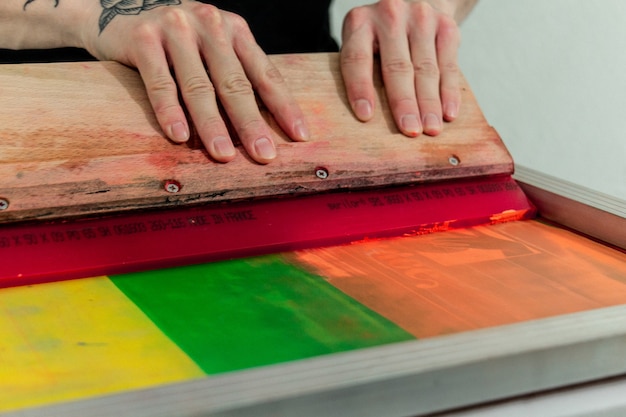
Screen printing, also known as silk screening is a method of applying ink to a surface through a mesh screen directly on to the garment. A stencil or design is placed on the screen, and ink is pushed through the mesh onto the fabric below. Each color in the design requires a separate screen, making it ideal for bold, simple designs. Graphic t-shirts with bold logos or slogans, custom designs on tote bags or hoodies are great product for this printing method.
Pros:
- Cost-Effective: Cheaper for bulk orders, especially for designs with fewer colors.
- Versatility: Works well on a variety of fabrics and surfaces (e.g., t-shirts, hoodies, tote bags).
- Vibrant Colors: Can achieve bold, consistent colors, especially on lighter fabrics.
- Scalability: Excellent for mass production.
Cons:
- Durability: Designs may crack or fade over time, especially with frequent washing.
- Setup Costs: Initial setup can be costly due to screens and equipment.
- Color Limitations: Printing multiple colors increases costs, as each color requires a separate screen. The quantity of colors matters a lot when screen printing , though. Costs go up since every new color needs a new mesh screen.
- Environment: Inks and chemicals used can sometimes be less eco-friendly unless you opt for water-based inks.
Best for:
- Large designs, casual apparel, promotional items, and budget-friendly projects.
Embroidery
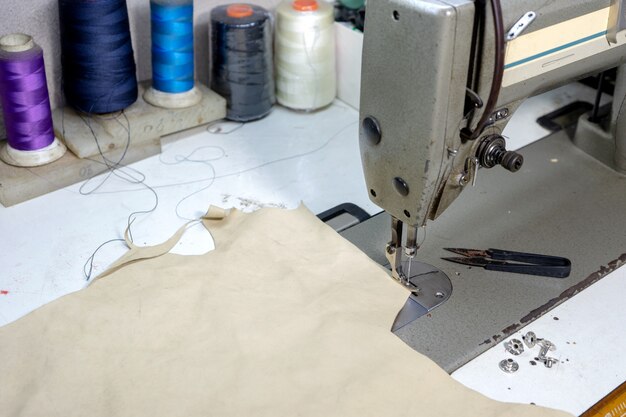
Embroidery is the process of stitching designs onto surface using a needle and thread. It creates a raised, textured design that is highly durable and visually appealing. Designs are often created using specialized embroidery machines and embroidery threads that digitize artwork into stitch patterns. Company logos on polo shirts or jackets, monograms on towels or bags are some of the most popular items to be used for this method.
Pros:
- Longevity: Thread used in embroidery lasts a long time without fading or peeling, even after multiple washes.
- Professional Look: Embroidery has a premium, textured appearance, making it ideal for corporate apparel, uniforms, and high-end items.
- Multiple Surfaces: Works well on thicker, textured materials like jackets, caps, polos, and bags.
- Color Depth: The thread has a vibrant, 3D effect that adds depth to the design.
Cons:
- Cost: More expensive than screen printing, especially for large designs.
- Detail Limitations: Fine details or small text can be harder to reproduce accurately.
- Placement Restrictions: Not ideal for large designs or lightweight fabrics, as the stitching can cause puckering.
Best for:
- Logos, small designs, corporate apparel, and premium products.
Choosing the Right Method to Complement Your Brand Image
When to Choose Embroidery
Professional and High-End Appearance
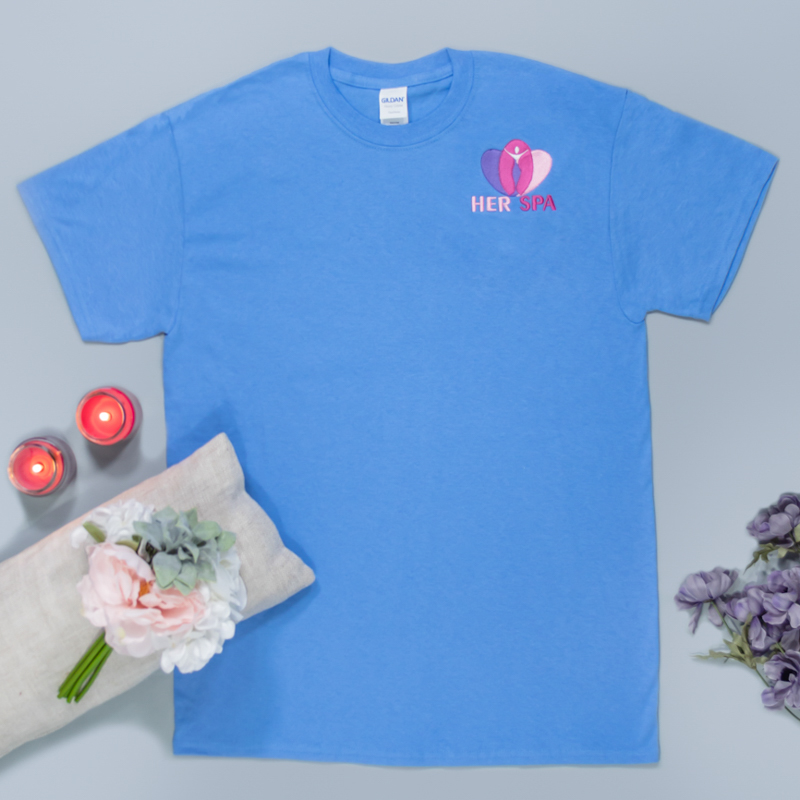
- Best for: Corporate apparel, uniforms, or products where you want a premium look. An embroidered logo often looks more sophisticated for corporate swag.
- Examples: Polo shirts, jackets, caps, and tote bags.
Get them here: https://24hourwristbands.com/shop/products/custom-embroidered-adult-basic-cotton-t-shirts
Durability
- Embroidery holds up well to repeated washing and is long-lasting.
- Best for: Products intended for regular use like uniforms or sportswear so they must be durable.
Get them here: https://24hourwristbands.com/shop/products/alternative-mens-baseball-t-shirt
Smaller, Text-Based Designs
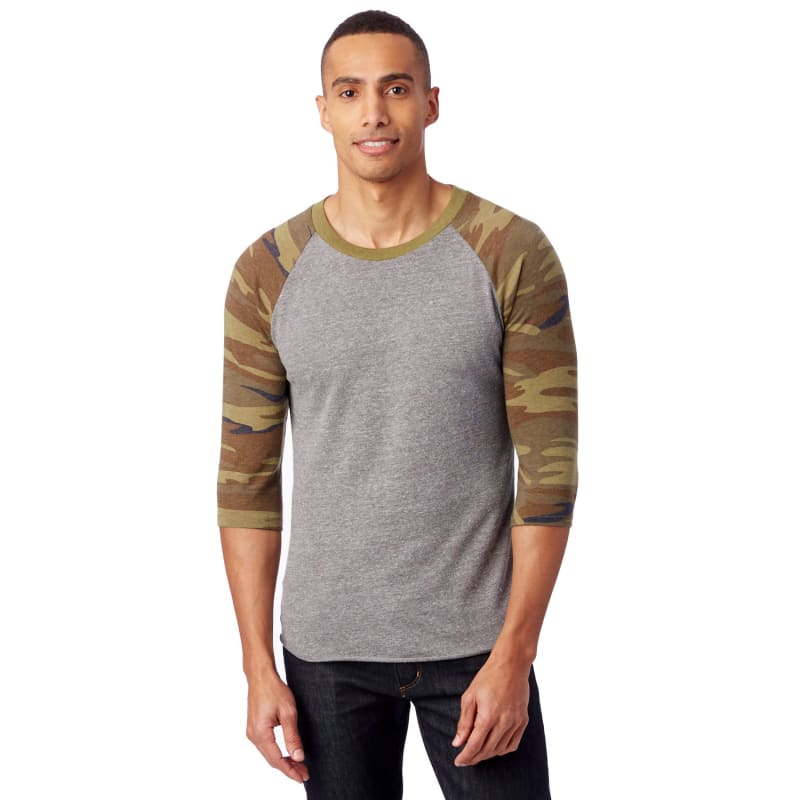
- Ideal for simple logos, monograms, or minimal text.
- Best for: Designs with few colors or intricate detailing for a headband or a keychain.
Get them here: https://24hourwristbands.com/shop/products/custom-embroidered-keychains
Thicker, Higher-Quality Fabrics
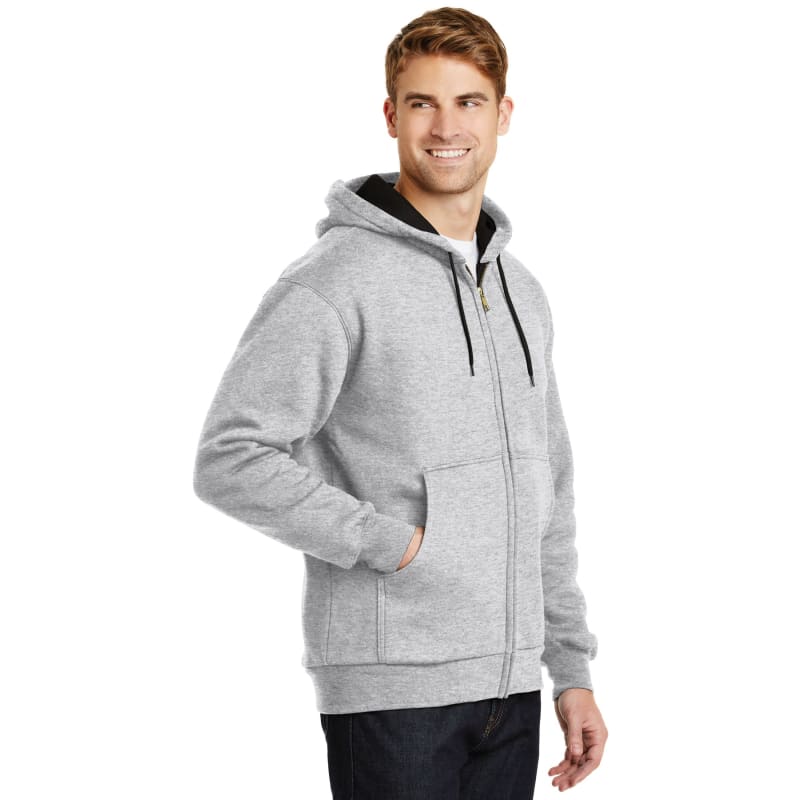
- Embroidery works better on fabrics like cotton, polyester blends, fleece, or canvas.
- Avoid: Thin or lightweight fabrics like T-shirts, as they may pucker under the stitches.
Get them here: https://24hourwristbands.com/shop/products/cornerstone-heavyweight-full-zip-hooded-sweatshirt-with-thermal-lining
Budget for Quality
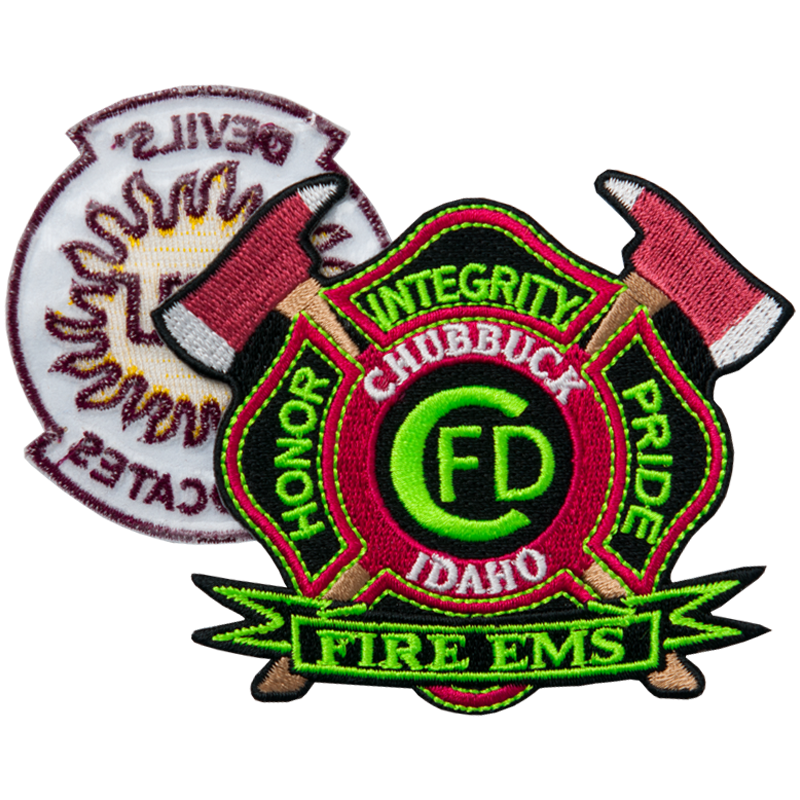
- Embroidery costs more than screen printing, especially for large or highly detailed designs.
- Best for: Projects where quality matters more than quantity. Patches for an immersive experience during an event calls for higher quality product than usual.
Get them here: https://24hourwristbands.com/shop/products/iron-on-embroidered-patches
When to Choose Screen Printing
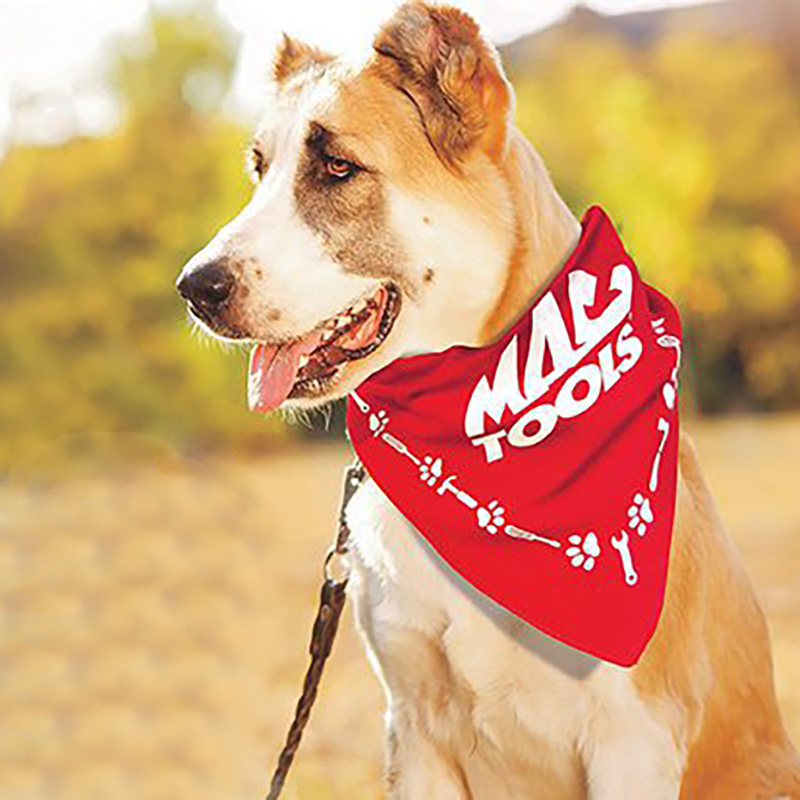
Bold, Colorful Designs
- Best for: Designs with vibrant colors, gradients, or larger areas of coverage.
- Examples: Graphic T-shirts, hoodies, or bags with eye-catching visuals.
Get them here: https://24hourwristbands.com/shop/products/custom-print-pet-triangle-22-x-22-x-29-inch-large-bandannas
Affordable for Large Quantities
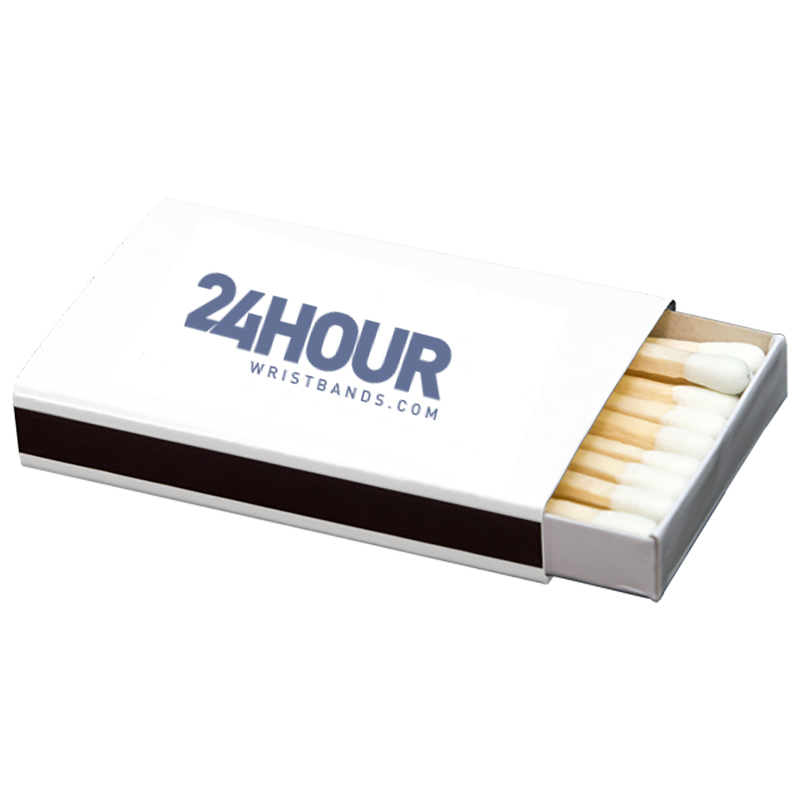
- Screen printing becomes more affordable as order sizes increase.
- Best for: High-volume promotional campaigns like events or giveaways.
Get them here: https://24hourwristbands.com/shop/products/screen-printed-20-strike-matchboxes
Flat, Smooth Surfaces
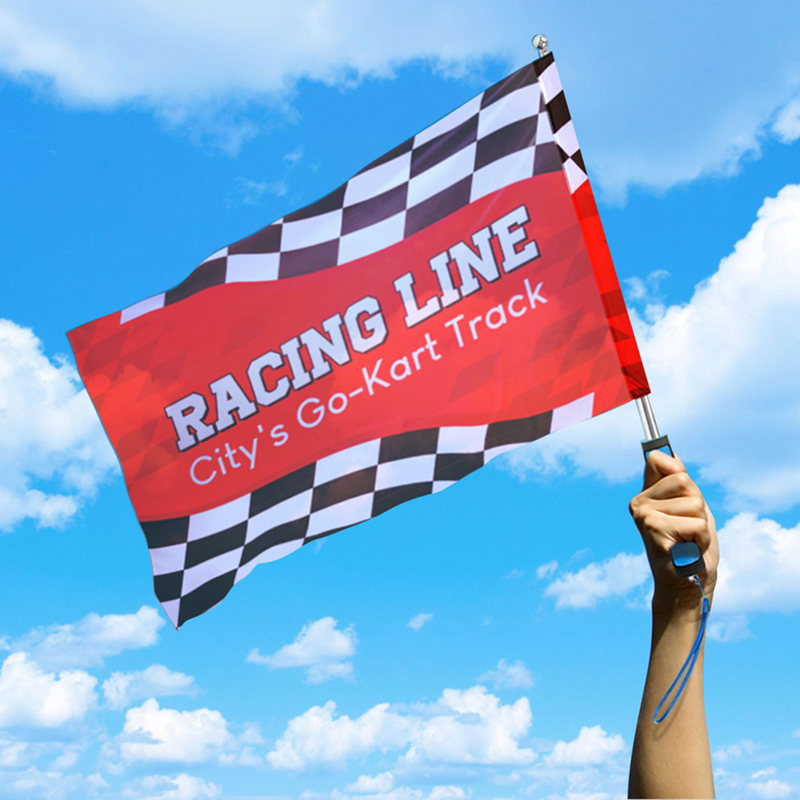
Works well on flat fabrics like T-shirts, sweatshirts, and banners.
Get them here: https://24hourwristbands.com/shop/products/custom-flags
Detailed Graphics
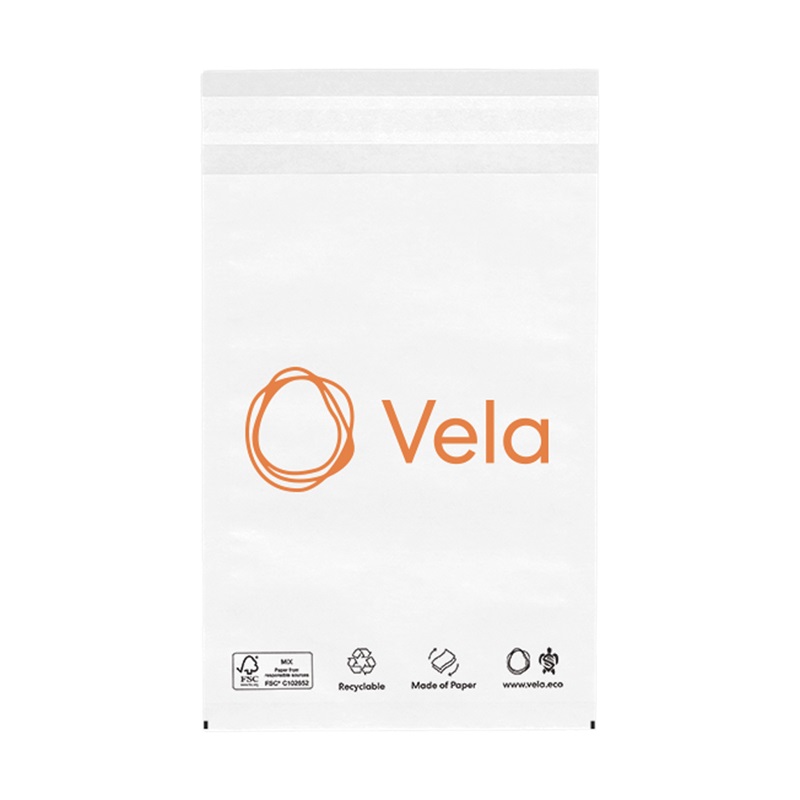
Ideal for complex or large designs with multiple colors or small details.
Get them here: https://24hourwristbands.com/shop/products/6-x-8-inch-xs-flexo-print-vela-tissue-bag
Lightweight Fabrics
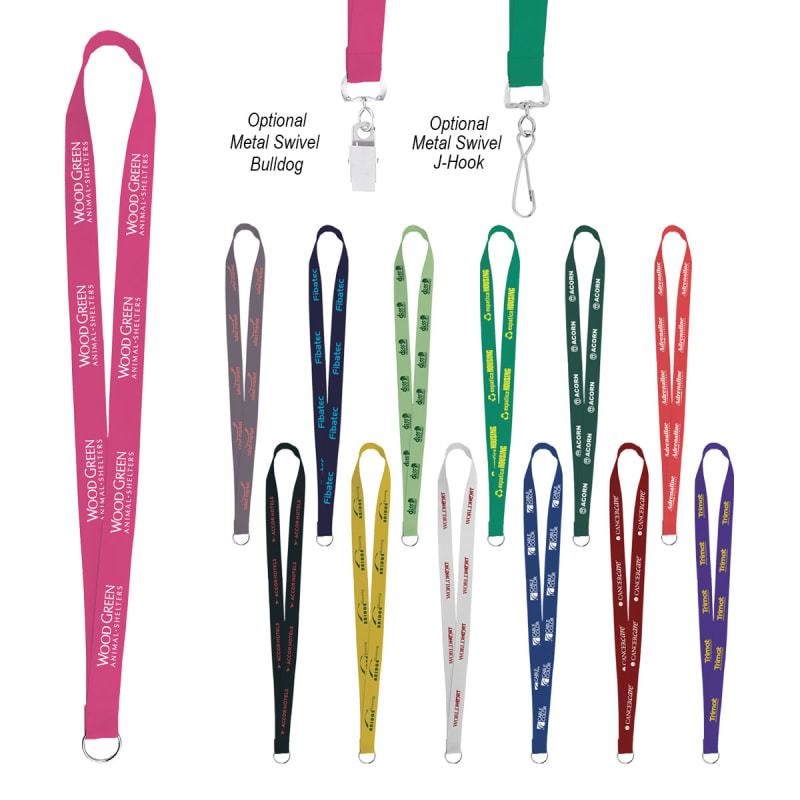
Best for: Thin materials that may not hold up well under the weight of embroidery stitching.
Get them here: https://24hourwristbands.com/shop/products/sewn-screen-printed-polyester-value-lanyard
Things to Consider When Choosing Your Printing Method
Design Considerations: Intricacy and Detail
Embroidery is known for its ability to showcase intricate designs. High-end brands often use embroidered logos for their textured look and durability. For example, luxury apparel brands like Ralph Lauren incorporate embroidery to add prestige to their garments.
Screen printing excels with large, bold designs. It’s cost-effective for simple graphics and is widely used by major retailers. For instance, famous brands like H&M and Old Navy often feature screen-printed logos on their t-shirts, attracting a broad audience. This method can handle high-volume orders efficiently, making it a favorite for bulk production.
Fabric Compatibility and Material Considerations
Different fabrics react differently to each method. Embroidery works best on cotton, denim, and performance fabrics. Screen Printing is suitable for cotton and polyester blends. Use high-quality fabrics for both methods to ensure a long-lasting result.
Thread and Ink Quality’s Role in Longevity
Quality matters. The longevity of embroidery is greatly influenced by thread quality. Similarly, the type of ink used in screen printing can determine how well the design withstands wear and tear.
Production Costs and Scalability
Embroidery typically requires more initial investment due to machinery costs. To start an embroidery business, you may need specialized machines that can range from $1,000 to $10,000. Conversely, screen printing setups can be less costly, with basic kits starting around $500. For embroidery services, costs tend to increase with design complexity and thread colors. On the other hand, screen printing is generally cheaper per unit, especially at larger volume.
End Note
Both embroidery and screen printing are excellent methods for customizing apparel and promotional products, each offering unique advantages. Embroidery provides a professional, long-lasting, and high-quality finish, making it ideal for corporate branding and premium products. On the other hand, screen printing is affordable, versatile, and perfect for bold, colorful designs, especially for casual wear or promotional items. The best choice depends on your budget, material, and design needs. By understanding the strengths of each method, you can select the one that best aligns with your project’s goals and aesthetic.