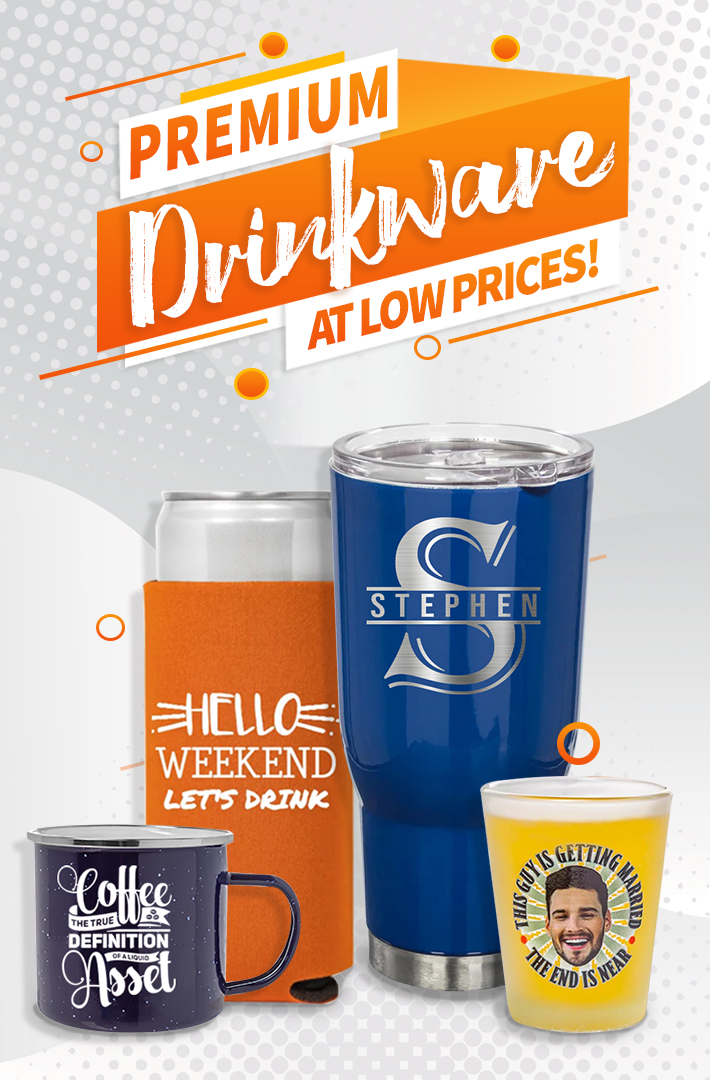



In the world of promotional products, few items have as many “aliases” as the humble insulated can sleeve. If you’ve ever tried to search for them online, you’ve likely seen a dozen different spellings: custom coozies, beer koozies, can coolies, and drink koozies.
But which one is correct? Depending on which part of the country you’re from—or how old you are—you might have a very strong opinion on the matter. In this post, we’re diving into the history of this social essential and explaining why these spelling variations exist in the first place. Whether you are looking for koozies custom designs for a party or just curious about the lingo, here is the breakdown of the great “Coozie vs. Koozie” debate.
1. The Origin of the “Koozie”
The term “Koozie” (with a ‘K’) actually started as a brand name. In the early 1980s, the Radio Cap Corporation (RCC) trademarked the name for their foam can insulators. Much like Kleenex or Band-Aid, the brand name became so popular that it eventually became the generic term for the entire category.
Today, while the trademark still exists, most people use the word koozie to describe any soft sleeve that keeps a drink cold. In the world of search engines, custom koozies is the most popular term, making it the “industry standard” for anyone looking to personalize their gear.
2. The Rise of the “Coozie” (with a ‘C’)
If “Koozie” is the trademark, where did custom coozies come from? Linguists suggest that because the word sounds like “cozy”—as in a tea cozy—many consumers naturally shifted the spelling to a ‘C’.
From an SEO perspective, this is a vital distinction. Thousands of people every month type beer coozies or can coozies into their search bars. If a website only uses the ‘K’ spelling, they might miss out on all those shoppers who prefer the ‘C’. That is why you will often see professional printers use both variations throughout their product descriptions.
3. What on Earth is a “Coolie”?
If you travel to the Southern United States or parts of Australia, you might hear the term coolies or can coolers. In the promotional industry, “coolie” is often used as a more professional or “un-trademarked” way to describe the product.
When businesses look for koozies in bulk, they are often directed to the “coolie” section of a catalog. It’s a bit more of an “insider” term, but it serves the same purpose: keeping your hands warm and your beverage ice-cold.
4. Regional Slang: From Beer Sleeves to Huggers
The names don’t stop at the big three. Depending on your zip code, you might be looking for:
- Beer Huggers: Common in the Midwest.
- Can Jackets: Often used in more industrial settings.
- Stubby Holders: The go-to term in Australia (where “stubby” refers to a short bottle of beer).
No matter what you call them, the demand for custom beer koozies remains high because the utility of the item is universal.
5. Why the Name Matters When You Buy
When you are shopping for koozie custom options, the name used on the website can sometimes tell you about the quality.
- Sites that use the term can coolers often focus on the technical specs (insulation value, material thickness).
- Sites that emphasize wedding coozies or party favors are often more focused on the design and aesthetic appeal.
- Sites that offer blank koozies or koozie blanks are usually catering to the DIY and crafting community (more on that in our next blog!).
6. The Evolution of the Material
While the name has stayed somewhat consistent, the technology hasn’t. The original “Koozies” of the 80s were thick, rigid foam that didn’t fold. Today, the most popular items are the collapsible can coolers made of flexible foam or neoprene. These are much easier to ship in bulk, easier to store in a kitchen drawer, and much better for high-speed custom printing.
At the end of the day, whether you type custom coozies, beer koozies, or can coolies into your search bar, you are looking for the same thing: a fun, affordable way to celebrate an event or promote a brand. The “correct” spelling is whatever feels right to you—just make sure that when you order, you’re choosing the right material for the job!